Skip to content

More Than Just Metal: Unveiling the Power of the Press Plate
Ever stop to think about how the metal parts in your car were shaped, how the crisp logo on your favorite snack packaging was printed, or even how the laminate on your desk was created? Chances are, a humble yet powerful tool was at the heart of the process: the press plate. It’s one of the unsung heroes of the manufacturing and printing worlds, a critical component that, quite literally, shapes the products we use every single day. Here in the bustling Dallas-Fort Worth Metroplex, a hub of industrial innovation, the press plate is a cornerstone of our economy, and the skilled professionals who work with them are in higher demand than ever.
But what exactly is a press plate? In the simplest terms, it’s a specialized, flat surface used to apply immense pressure, and often heat, to various materials. Think of it as a highly engineered stamp or mold. This pressure can be used to cut, bend, shape, or print, making the press plate an incredibly versatile tool across dozens of industries. At CDR General Solutions, we specialize in connecting talented individuals with the dynamic companies that rely on this technology. This guide will press into the details of what these plates are, the careers they create, and how you can stamp your mark on this exciting field right here in North Texas.
What Exactly is a Press Plate? A Deeper Dive
While the concept sounds simple, the world of press plates is surprisingly diverse. They aren’t a one-size-fits-all solution. The material, design, and function of a press plate are all tailored to its specific job. They are made from a range of materials, including hardened steel, aluminum, flexible photopolymers, and even durable polypropylene, all chosen for their specific properties like durability, heat conductivity, and precision.
Different Plates for Different Jobs
To really understand their importance, let’s break down the main categories of press plates you’ll find on the factory floors and in the print shops around Dallas and Fort Worth.
Manufacturing and Fabrication Plates
This is where the heavy lifting happens. In manufacturing, press plates are used in massive hydraulic and mechanical presses to transform raw materials.
- Stamping and Die Plates: These are used to cut or stamp shapes out of materials like sheet metal. Everything from car door panels to the metal casing on your home appliances is created this way.
- Molding Plates: In plastic injection molding, these plates form the cavity into which molten plastic is injected, creating precisely shaped plastic parts for countless products.
- Bolster Plates: These are heavy-duty plates that reinforce and support the main dies within a large press, ensuring stability and precision under extreme pressure.
Printing Plates
In the world of commercial printing, press plates are the key to transferring ink to paper, cardboard, and plastics with incredible speed and accuracy.
- Offset and Lithographic Plates: Typically made of aluminum, these plates use a chemical process to separate the ink-receptive image area from the water-receptive non-image area.
- Flexographic Plates: Made from a flexible photopolymer, these plates are used for printing on a wide variety of materials, especially packaging like boxes, bags, and labels. Their flexibility allows them to print on uneven surfaces.
- Hot Foiling Plates: These specialized plates are heated and used to press a thin layer of metallic or colored foil onto a surface, creating the elegant, shiny lettering and designs you see on high-end packaging and greeting cards.
Specialized Industrial Plates
Beyond shaping and printing, press plates have other critical industrial uses.
- Filter Press Plates: Used in wastewater treatment and chemical processing, these plates create chambers to separate liquids from solids. Slurry is pumped in, and the plates squeeze together, forcing the liquid out and leaving a dry solid ‘cake’ behind. This is a vital process for environmental management and resource recovery.
- Lamination Plates: These plates use heat and pressure to bond layers of material together, such as in the creation of decorative laminates for furniture and flooring.
The Powerhouse Machines: Where Press Plates Do Their Work
A press plate is only as good as the machine that wields it. These powerful machines are the workhorses of modern industry, and understanding them is key to understanding the job opportunities available.
In the Factory: Hydraulic and Mechanical Presses
Walk onto a manufacturing floor in Arlington or Grand Prairie, and you’ll likely hear the rhythmic hum and feel the ground-shaking force of industrial presses. Hydraulic presses use fluid pressure to generate immense force, while mechanical presses use a flywheel and clutch system. Both are used for tasks like forging, stamping, and molding, and they are the backbone of the automotive, aerospace, and appliance manufacturing sectors that are so vital to the DFW economy.
In the Print Shop: Offset, Flexographic, and Digital Presses
Printing presses are marvels of precision engineering. Whether it’s a massive web offset press printing newspapers or a flexographic press churning out thousands of labels per hour, these machines rely on the perfect setup and calibration of their press plates to produce high-quality results. The technology is constantly evolving, with advancements like ‘processless’ plates that are more environmentally friendly and quicker to prepare, keeping the industry dynamic and exciting.
Career Opportunities Stamping Their Mark on Dallas-Fort Worth
All of this powerful technology creates a huge demand for skilled professionals. This isn’t just a job; it’s a career with pathways for growth, learning, and specialization. At CDR General Solutions, we see firsthand the need for qualified candidates to fill these critical roles across the Metroplex. From large manufacturing plants to specialized print shops, the opportunities are abundant.
The In-Demand Role: The Press Operator
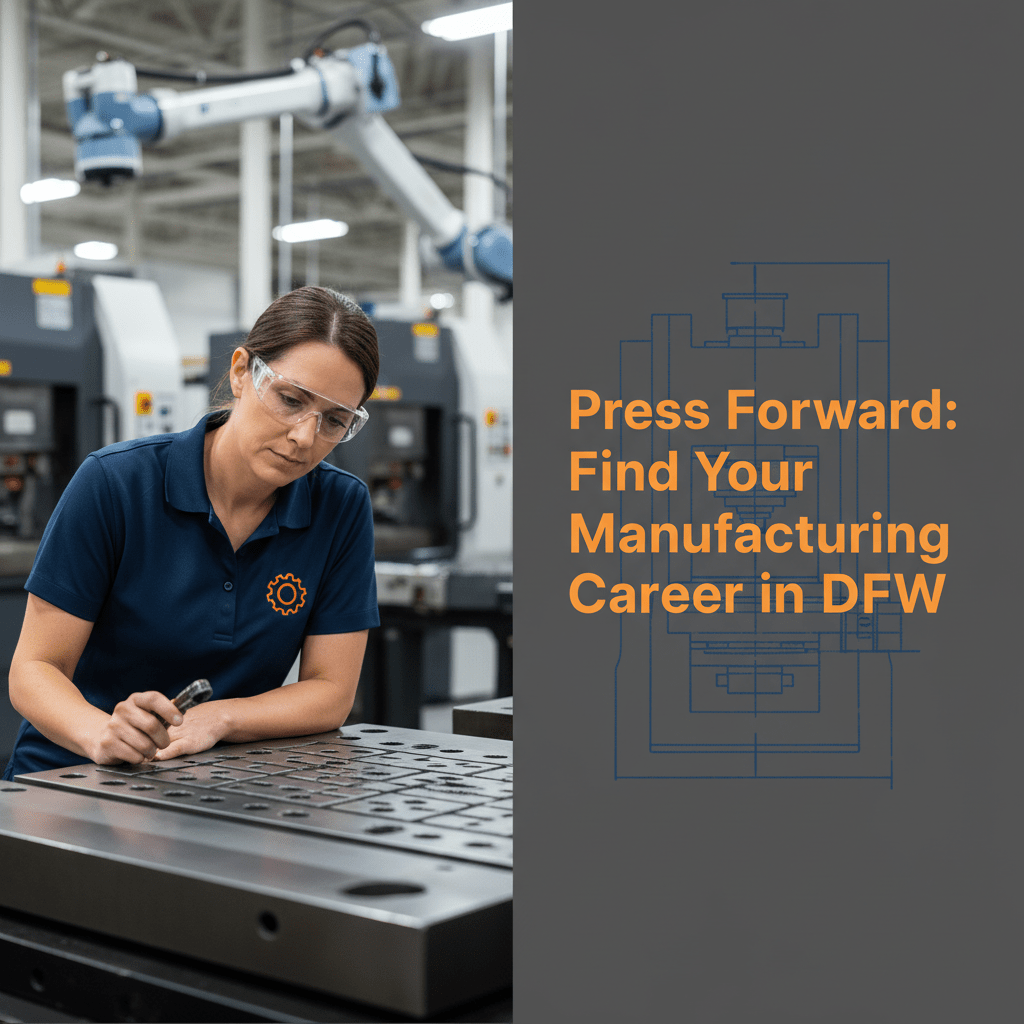
The most direct and essential role is that of the Press Operator. These are the skilled technicians who set up, run, and maintain the presses. It’s a role that requires a unique blend of technical knowledge and hands-on skill. A typical day for a press operator might involve:
- Reading blueprints or job orders to understand the specifications.
- Loading materials and installing the correct press plates and dies.
- Calibrating the machine for pressure, temperature, and speed.
- Monitoring the production run, making fine-tune adjustments to ensure quality.
- Performing routine maintenance and basic troubleshooting to keep the machinery in top condition.
What does it take to succeed? Key skills include a strong mechanical aptitude, meticulous attention to detail, and a deep commitment to safety. You need to be a problem-solver who can spot a potential issue before it becomes a major problem. In the DFW area, you’ll find listings for roles like Press Brake Operator, Flexographic Press Operator, and CNC Turret Punch Press Operator, all of which are in high demand.
Beyond the Operator: Supporting Roles
A successful production line is a team effort. Several other roles are crucial to the process and offer great career paths:
- Pre-Press Technicians & Plate Makers: These professionals prepare the files for printing and create the physical press plates. They ensure the digital design is perfectly translated to the plate, which is critical for a quality final product.
- Plate Mounters: In flexographic printing, these technicians are responsible for mounting the flexible plates onto the cylinders with extreme precision. Even a tiny misalignment can ruin a print job.
- Quality Control Inspectors: These individuals are the final gatekeepers. They inspect the finished products for any defects or inconsistencies, ensuring that every piece meets the required standards.
Safety First: A Non-Negotiable in Press Operations
We can’t talk about industrial presses without talking about safety. These are incredibly powerful machines, and a safe work environment is the number one priority for both employers and employees. For anyone considering a career in this field, understanding and respecting safety protocols is not just important—it’s essential. Reputable companies, and the candidates we place at CDR General Solutions, take this very seriously.
Key safety measures include:
- Thorough Training: No one should operate a press without comprehensive training on that specific machine’s functions, quirks, and emergency procedures.
- Personal Protective Equipment (PPE): Wearing the right PPE, such as safety glasses, steel-toed boots, and sometimes gloves, is a must.
- Machine Guarding: All modern presses are equipped with safety guards, light curtains (which stop the machine if a beam of light is broken), and two-hand touch controls to ensure the operator’s hands are clear of the operational area. These systems must be checked before every run.
- A Clean Workspace: Keeping the area around the press clean and free of clutter is a simple but effective way to prevent slips, trips, and other accidents.
The Future is Now: Innovations in Press Plate Technology
This field isn’t standing still. Technology is constantly pushing the boundaries of what’s possible. We’re seeing new, more durable plate materials that last longer and produce higher quality results. In printing, the shift towards more sustainable, ‘processless’ plates reduces chemical usage and waste. Furthermore, the integration of automation, sensors, and even artificial intelligence is leading to ‘smart’ press systems that can self-adjust for optimal quality and efficiency. This constant innovation means that a career in this sector involves continuous learning, keeping the work engaging and ensuring that skilled operators remain valuable assets.
Press Forward in Your Career with CDR General Solutions
The press plate is more than just a component; it’s a gateway to a stable and rewarding career in the heart of the Dallas-Fort Worth industrial landscape. From manufacturing the cars we drive to printing the packaging for the food we eat, the impact of this technology is everywhere. The demand for skilled operators and technicians who can work with these powerful machines is strong and growing.
If you’re a job seeker with a mechanical aptitude and a commitment to quality, it’s time to explore a career in press operations. And if you’re an employer looking for reliable, safety-conscious, and skilled personnel to keep your production lines moving, you know how challenging it can be to find the right fit.
That’s where we come in. We are your partners in progress.
Ready to stamp your mark on a new career? Don’t wait. Explore your potential in this dynamic field. Call CDR General Solutions today at (Your Number Here) or visit our website to fill out our contact form and let’s build your future together!
Need to fill a critical press operator role? Let us connect you with the top talent in the Dallas-Fort Worth area. Contact us now at (Your Number Here) or through our online contact form to find the skilled professionals your business needs to thrive.