
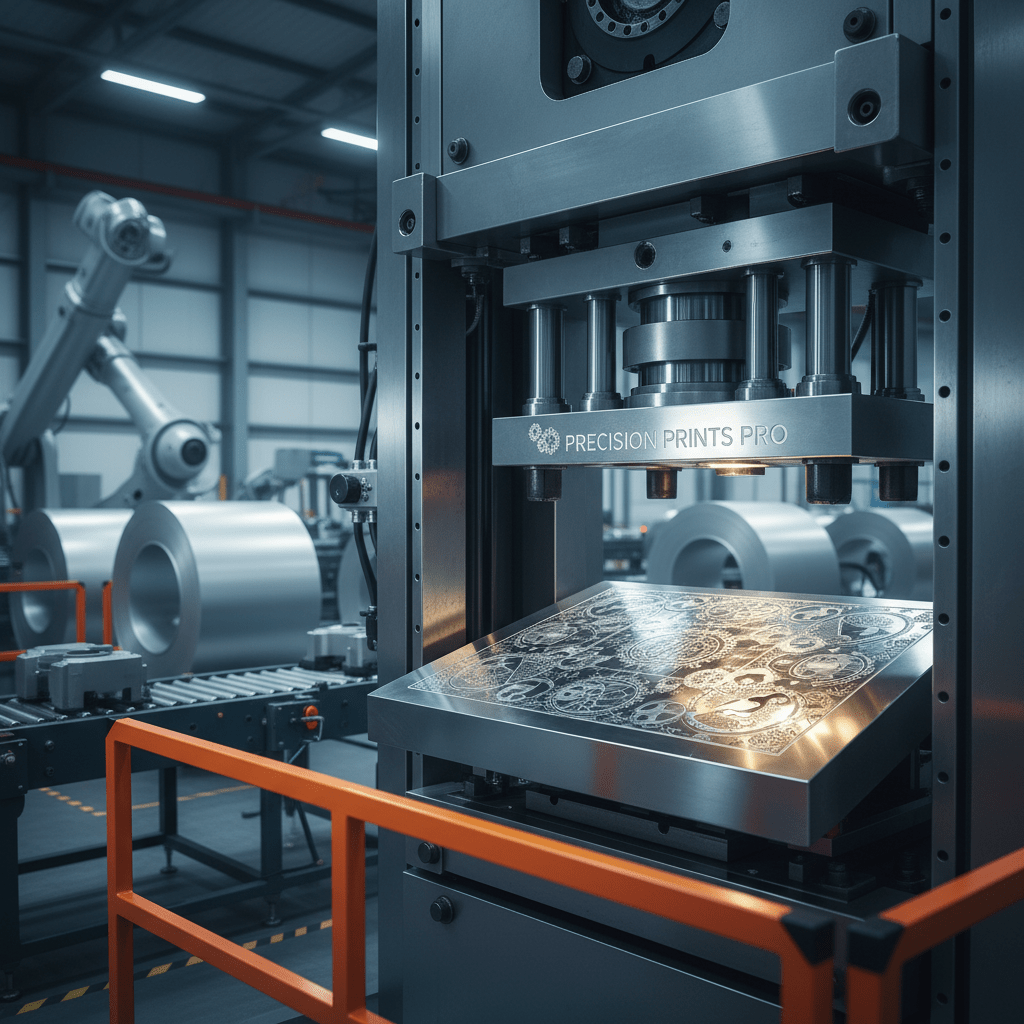

Unveiling the Power of the Press Plate: More Than Just a Piece of Metal
Ever wonder how the sleek body of a car gets its shape, or how the crisp logo on your favorite snack packaging is printed with such precision? The answer, more often than not, lies in a powerful and often-overlooked tool: the press plate. It might sound like a simple component, but the press plate is a cornerstone of modern manufacturing, a silent workhorse that shapes, forms, and prints many of the products we use every single day. Here in the bustling Dallas Metroplex, where industries from automotive to aerospace are thriving, understanding the role of the press plate is more important than ever.
At CDR General Solutions, we’re not just about filling positions; we’re about understanding the industries we serve. We know that behind every great product is a team of skilled individuals and the right technology. That’s why we’re taking a deep dive into the world of press plates. Whether you’re a business looking for top-tier talent to operate your machinery or a skilled professional seeking your next opportunity, this guide will give you the insights you need. It’s not just about a piece of metal; it’s about the innovation and expertise that drive our local economy. And if you’re looking to build a team that can harness this power, don’t hesitate to reach out. Give us a call at (Your Number) or fill out our contact form on this website to connect with one of our staffing specialists.
What Exactly is a Press Plate?
At its core, a press plate is a flat, rigid surface, typically made from durable materials like steel, aluminum, or composite materials, designed to withstand immense pressure and, in some cases, high temperatures. Think of it as a highly specialized mold or stamp. Its primary function is to transfer a specific shape, design, or pattern onto another material. This is achieved by applying force, often with a hydraulic press, which is a common piece of equipment in many manufacturing settings. The versatility of press plates is truly remarkable, with applications spanning a vast array of industries.
The Many Faces of Press Plates: Types and Their Applications
Press plates are not a one-size-fits-all solution. They come in various forms, each tailored for a specific task. Understanding the different types is key to appreciating their widespread impact.
Shaping and Forming Plates
These are the titans of the manufacturing world. Used in massive hydraulic presses, these plates are responsible for shaping and forming sheet metal into the components we see in cars, airplanes, and appliances. The automotive industry, a major player in the Dallas-Fort Worth area, relies heavily on these plates to create everything from door panels to engine components with incredible precision. The aerospace sector also utilizes these plates to form lightweight yet incredibly strong parts for aircraft.
Stamping and Embossing Plates
Have you ever noticed the intricate logo on a piece of electronics or the raised lettering on a gift box? That’s the work of stamping and embossing press plates. These plates have a design etched or raised on their surface, which is then transferred to a material under pressure. This process is crucial for branding, adding decorative elements, and creating tactile effects on a wide range of products.
Printing Plates: The Heart of Mass Communication
In the world of printing, press plates are absolutely essential. They are the medium that transfers ink to paper, creating everything from newspapers and magazines to product packaging and labels. There are several types of printing plates, each suited for different printing methods:
- Offset Lithography Plates: These are the most common type, typically made of aluminum. The image is photographically or digitally transferred to the plate, which then transfers the ink to a rubber blanket before it reaches the paper.
- Flexographic Plates: Made from a flexible photopolymer, these plates are used for printing on a variety of materials, including plastics, foils, and corrugated cardboard. This makes them ideal for the packaging industry.
- Letterpress Plates: The oldest form of printing plate, modern letterpress plates are often made of photopolymer and create a distinct debossed impression on the paper, a popular choice for high-end invitations and stationery.
The evolution of printing plate technology, particularly the shift to Computer-to-Plate (CTP) systems, has revolutionized the industry, allowing for faster production and higher quality prints.
The Manufacturing Powerhouse: How Press Plates Are Made
The creation of a press plate is a precise and often complex process. For industrial applications, it starts with high-quality raw materials like steel or aluminum. These materials are then meticulously machined, ground, and polished to achieve the perfect flatness and surface finish. For printing plates, the process involves coating a substrate, usually aluminum, with a light-sensitive emulsion. The desired image is then transferred to the plate using lasers or UV light, a process known as platemaking. This technology has seen significant advancements, with process-free plates emerging as a more environmentally friendly and efficient option.
The demand for skilled technicians who can operate and maintain the sophisticated machinery used to create and utilize press plates is constantly growing. If your Dallas-based business is struggling to find qualified individuals with expertise in CNC machining, press operation, or prepress technology, CDR General Solutions can help. Contact us today through our website or by calling (Your Number) to find the talent you need to stay competitive.
Industries in the Dallas Metroplex Powered by Press Plates
The Dallas-Fort Worth area is a hub for a diverse range of industries, many of which rely heavily on press plate technology. Recognizing these applications is key to understanding the local job market and the skills that are in high demand.
Automotive and Aerospace Manufacturing
As mentioned earlier, the automotive and aerospace sectors are major users of press plates for shaping and forming metal components. The precision and consistency offered by this technology are critical for producing high-quality, reliable parts for vehicles and aircraft.
Consumer Goods and Electronics
From the casing of your smartphone to the panels on your refrigerator, press plates play a vital role in the production of consumer goods and electronics. They are used for everything from forming metal enclosures to stamping brand logos.
Packaging and Printing
The vibrant commercial landscape of Dallas means a constant need for high-quality packaging and printed materials. The packaging industry uses flexographic press plates to print on a variety of materials, while commercial printers rely on offset plates to produce everything from marketing brochures to magazines.
Construction and Industrial Equipment
Even the construction industry utilizes press plates to create components like metal brackets and structural supports. The manufacturing of industrial equipment also involves the use of pressed metal parts for machine guards and enclosures.
The Human Element: Why Skilled Operators are Crucial
While the technology behind press plates is impressive, it’s the skilled individuals who operate and maintain this equipment that truly drive success. A knowledgeable press operator can ensure optimal performance, minimize downtime, and maintain the quality of the final product. Similarly, skilled prepress technicians are essential for creating high-quality printing plates that will produce crisp and accurate prints.
In a competitive market like the Dallas Metroplex, having the right people on your team is a significant advantage. At CDR General Solutions, we specialize in connecting businesses with the skilled talent they need to thrive. We understand the specific skill sets required for roles in manufacturing, printing, and other industries that rely on press plate technology. If you’re looking to hire experienced professionals, we have a pool of qualified candidates ready to make a difference.
The Future is Now: Trends and Innovations in Press Plate Technology
The world of press plates is not static. Continuous innovation is leading to more efficient, precise, and sustainable solutions. Here are some of the key trends to watch:
- Advanced Materials: The development of new alloys and composite materials is leading to press plates that are more durable and have better thermal conductivity.
- Process-Free Plates: In the printing industry, the move towards process-free plates eliminates the need for chemical developers, reducing environmental impact and streamlining the platemaking process.
- Automation and Robotics: Automation is playing an increasingly important role in post-press operations, with robots handling tasks like stacking and binding, which increases efficiency and reduces labor costs.
- Digital Integration: The integration of digital control systems allows for more precise monitoring and adjustment of temperature and pressure during the lamination process, leading to improved consistency and fewer defects.
Your Partner in a Pressing Industry
The humble press plate is a testament to the power of precision engineering and its profound impact on countless industries. Here in Dallas, where manufacturing and innovation go hand in hand, understanding this technology is key to staying ahead. For businesses, it’s about leveraging the right tools and, more importantly, the right people. For job seekers, it’s about recognizing the valuable skills that are in high demand.
At CDR General Solutions, we are committed to being your partner in this dynamic landscape. We bridge the gap between talented individuals and the companies that need their expertise. Whether you are a business looking to build a world-class team or a professional ready for your next challenge, we are here to help. Don’t let your staffing needs put a stop to your production. Contact us today by calling (Your Number) or by filling out the contact form on our website. Let’s build the future of Dallas industry, together.